









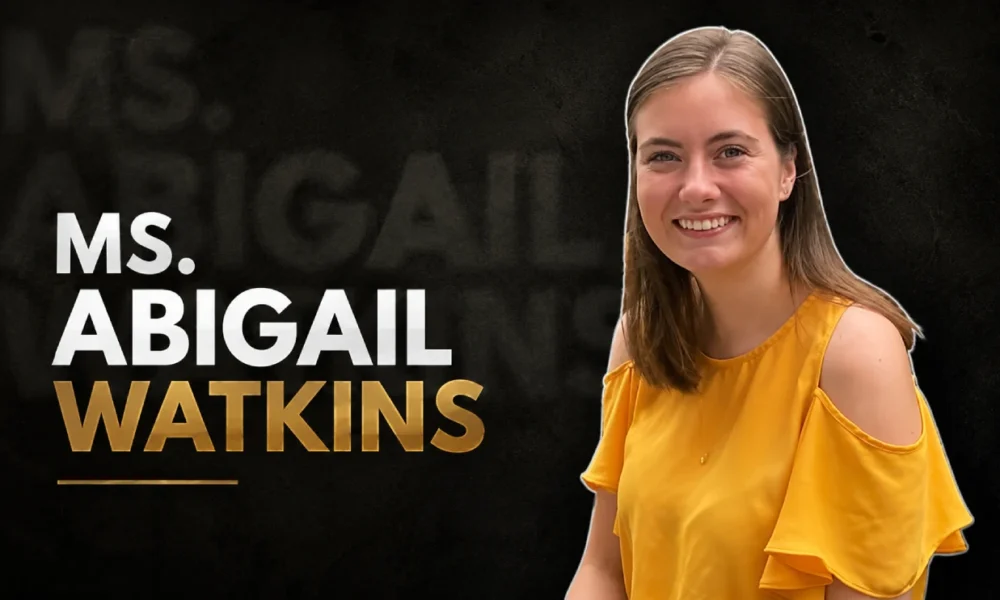
Ms. Abigail Watkins has served as Newaygo County, Michigan’s Emergency Services Director since 2007, making her the county’s first full-time holder of this position. Over nearly two decades, she has transformed how this rural West Michigan county prepares for and responds to disasters, earning the 2024 Michigan Emergency Manager of the Year award and building a culture of readiness that extends from county offices to neighborhood homes.
Table Of Content
- Who Is Abigail Watkins?
- Early Career and Path to Emergency Management
- A Historic Appointment: Newaygo County’s First Full-Time Director (2007)
- Professional Credentials and Certifications
- Day-to-Day Responsibilities as Emergency Services Director
- Leadership Philosophy: Preparedness Over Response
- Building the Foundation: Key Initiatives 2007-2024
- Major Emergency Responses Under Watkins’ Leadership
- Regional Leadership and Collaborative Roles
- Awards and Recognition
- The Future of Emergency Management in Newaygo County
- Conclusion
This comprehensive profile examines Watkins’ career, credentials, leadership philosophy, and the lasting institutional impact she has created — information valuable for researchers, professional peers, and anyone interested in how rural communities build effective emergency management systems.
Who Is Abigail Watkins?
Ms. Abigail Watkins is the Emergency Services Director of Newaygo County, Michigan, appointed in 2007 as the county’s first full-time director in that role. She holds the Certified Professional Emergency Manager (CPEM) credential and has led the county’s response to major events including COVID-19, flooding, and severe storms.
Abigail “Abby” Watkins grew up with a strong sense of responsibility and service, participating in community volunteering and local initiatives from an early age. She earned an Associate of Science in Business Management, providing foundational skills in organizational planning, resource allocation, and administrative oversight — capabilities that would prove essential in building a professional emergency management function from the ground up.
Early Career and Path to Emergency Management
Before her historic appointment, Watkins developed her professional foundation through a combination of formal education and practical experience. Her business management training gave her the administrative skills necessary for running complex government operations. She later earned professional certifications that would become the cornerstone of her emergency management expertise.
Throughout the early 2000s, Watkins demonstrated commitment to public service through community involvement and preliminary emergency management training. This period positioned her as a natural candidate when Newaygo County decided to professionalize its emergency management function.
A Historic Appointment: Newaygo County’s First Full-Time Director (2007)
In January 2007, Ms. Abigail Watkins became Newaygo County’s first full-time Emergency Services Director. This appointment marked a major shift toward professionalized emergency management within the county.
What existed before 2007: Emergency management in Newaygo County had been handled on a part-time basis, with limited capacity for year-round planning, training, and partnership building. The county recognized that growing risks — from flooding to severe storms to potential public health emergencies — required dedicated professional leadership.
The change: Watkins’ appointment signaled that the county was committed to proactive emergency management, not just reactive response. Taking on a newly created full-time role meant building almost everything from scratch — protocols, partnerships, training programs, and trust across multiple agencies.
Professional Credentials and Certifications
Credentials in emergency management aren’t just professional milestones — they’re proof that someone can function effectively under the worst conditions. Ms. Abigail Watkins holds a robust portfolio of both:
- Certified Professional Emergency Manager (CPEM): This designation reflects advanced competency in emergency planning, mitigation, response, and recovery. The CPEM credential is nationally recognized and requires demonstrated expertise across the full emergency management spectrum.
- Community Emergency Response Team (CERT) Instructor: This certification enables Watkins to train volunteers in basic disaster response skills, expanding the county’s emergency workforce beyond paid staff.
- Incident Command System (ICS) Instructor: Watkins is certified to train first responders, public safety partners, and county staff in standardized incident management protocols, ensuring consistent response across all agencies.
- Additional Training: She has completed advanced coursework in disaster logistics, emergency operations center management, and hazard mitigation planning through state and federal training programs.
In short, Watkins doesn’t just respond to emergencies — she builds the people and systems that do.
Day-to-Day Responsibilities as Emergency Services Director
As Emergency Services Director, Watkins’ responsibilities encompass the full emergency management cycle:
- Emergency Planning and Mitigation: Developing and maintaining county emergency operations plans, hazard mitigation plans, and continuity of operations plans
- Multi-Agency Coordination: Serving as the primary liaison between fire, police, medical, public health, infrastructure, and volunteer organizations during emergencies and exercises
- Training and Exercises: Designing and conducting regular drills, tabletop exercises, and full-scale exercises for first responders and county departments
- Grant and Budget Management: Securing federal and state funding through emergency management grant programs and managing county emergency management budgets
- Public Education: Conducting community outreach on disaster preparedness, including CERT program recruitment and public awareness campaigns
- Emergency Operations Center Management: Overseeing activation, staffing, and operations of the county EOC during major incidents
Leadership Philosophy: Preparedness Over Response
Ask anyone in emergency management what separates good leaders from great ones, and the answer usually comes back to mindset: reactive versus proactive. Watkins falls squarely in the proactive camp.
Her philosophy emphasizes that effective emergency management is not just about responding to disasters — it’s about planning, training, and building partnerships long before an emergency occurs. This means investing time in relationship building when there’s no crisis, running drills when it’s inconvenient, and continually updating plans based on lessons learned.
Colleagues and partners often describe her leadership style as steady, collaborative, and methodical. Rather than seeking public attention, Watkins focuses on building systems that function reliably under pressure.
“The difference between chaos and coordinated response isn’t luck — it’s preparation. You can’t build relationships during a disaster. You have to build them years before, so when the crisis hits, everyone already knows their role and trusts the person next to them.” — Local emergency management colleague
This approach has a quiet power to it. Emergency managers who chase recognition tend to optimize for visibility. Watkins optimizes for outcomes — and in her field, outcomes are measured in response times, coordination efficiency, and lives protected.
Building the Foundation: Key Initiatives 2007-2024
Over nearly two decades, Watkins has implemented numerous programs and systems that have strengthened Newaygo County’s emergency management capacity:
- Community Emergency Response Team (CERT) Program: As a CERT Instructor, Watkins has trained hundreds of volunteers in basic disaster response skills, creating a trained workforce that can assist during emergencies when professional resources are stretched thin.
- Emergency Notification System: Watkins led the implementation of a county-wide mass notification system, enabling officials to rapidly alert residents to imminent threats, evacuation orders, and critical safety information.
- Multi-Agency Coordination Protocols: She developed standardized protocols for coordinating responses across county departments, municipalities, and partner agencies, ensuring that when a disaster hits, everyone knows their role and communications channels are established.
- Training and Exercise Program: Regular exercises — from tabletop discussions to full-scale drills — have become a cornerstone of county emergency management, testing plans and building muscle memory among response personnel.
- Grant Acquisition: Watkins has successfully secured millions in federal and state funding through various emergency management assistance programs, ensuring the county has resources to support its preparedness activities.
Major Emergency Responses Under Watkins’ Leadership
Ms. Watkins has managed major emergencies including COVID-19, severe flooding, and storm-related disasters. Each event tested different parts of the emergency management infrastructure she spent years building:
| Emergency Event | Year(s) | Watkins’ Role | Outcome/Impact |
|---|---|---|---|
| COVID-19 Pandemic | 2020-2023 | Coordinated vaccination operations, PPE distribution, public health collaboration | Achieved 60%+ county vaccination rate; maintained essential services throughout pandemic |
| Dam Safety Assessment | 2020-2021 | Member, Michigan Dam Safety Task Force | Identified infrastructure vulnerabilities; recommended 43 improvements statewide |
| Severe Flooding | Multiple | Coordinated evacuations, FEMA coordination, infrastructure assessment | Reduced response times; improved multi-agency coordination |
| Severe Storms | Multiple | Damage assessment, emergency declaration support, recovery coordination | Enhanced federal aid accessibility for affected residents |
COVID-19 Pandemic Response: During the pandemic, Watkins coordinated the county’s vaccination distribution operation, leveraging partnerships built over the preceding decade. The county’s vaccination rate exceeded 60%, surpassing several neighboring counties with more resources. This success reflected not just a good plan, but relationships with local health providers, pharmacies, and community organizations that had been nurtured since 2007.
Flood Response: Michigan’s flood events have tested Newaygo County’s coordination systems repeatedly. Watkins has led real-time communication with infrastructure and rescue teams, coordinated evacuations, and facilitated damage assessments that helped affected residents access needed aid.
Storm Response: Severe storms demand community-level readiness that goes far beyond the county office. Watkins has implemented storm response protocols that involve schools, businesses, and neighborhoods in preparedness activities.
Regional Leadership and Collaborative Roles
Ms. Watkins’ influence extends well past Newaygo County’s borders through numerous leadership positions:
- Chair, Region 6 Homeland Security Planning Board: Guides strategic investments in preparedness and security across multiple counties in West Michigan
- Secretary and Treasurer, Newaygo County Fire Chiefs Association: Supports professional development and coordination among county fire departments
- Member, Region 6 Healthcare Coalition: Reinforces collaboration between emergency management and healthcare systems
- Member, Michigan Dam Safety Task Force (2020-2021): Assessed infrastructure vulnerabilities following major dam failures in the state
- County Community Mental Health Board Member: Contributes to behavioral health coordination as part of comprehensive community safety
Each of these roles reflects the same instinct: build bridges before the bridge is needed. By holding leadership positions across multiple organizations, Watkins ensures that Newaygo County has a voice in regional and state-level emergency management discussions.
Awards and Recognition
The emergency management community has taken notable notice of Ms. Watkins’ contributions:
Michigan Emergency Manager of the Year (2024)
This award, presented by the Michigan Emergency Management Association, is not a ceremonial honor. It reflects peer and institutional recognition from professionals who understand exactly what the work entails. Receiving it in 2024 — nearly two decades into a career — speaks to the sustained quality of Watkins’ contribution, not just a single standout moment.
Wildfire Mitigation Award (2018)
This award recognized Watkins’ leadership in wildfire hazard reduction efforts in Newaygo County, including prevention education, coordination with fire departments, and preparation of communities in wildfire-prone areas.
The Future of Emergency Management in Newaygo County
As emergency risks grow more complex due to climate variability, infrastructure challenges, and public health concerns, Watkins continues to play an increasingly vital role in safeguarding her community.
Emerging threats:
- Climate-related hazards: More frequent and severe flooding, storms, and wildfire risk
- Cybersecurity: Growing threats to local government systems and critical infrastructure
- Public health: Preparedness for future health emergencies
Current initiatives:
- Updating county hazard mitigation and emergency operations plans
- Expanding CERT program volunteer base
- Enhancing partnerships with regional and state agencies
- Pursuing grant funding for new emergency management capabilities
Rural counties often fall through the gaps of national emergency planning discussions. They face the same risks — floods, wildfires, pandemics — but with fewer resources, less staff, and less infrastructure than urban centers. Having a full-time, highly credentialed, deeply connected emergency director changes that equation significantly.
Ms. Abigail Watkins didn’t just take a job. She built a function, trained a workforce, and created a county that knows how to face what’s coming.
Conclusion
The story of Ms. Abigail Watkins is, at its core, a story about institutional commitment — the kind that shows up early, works methodically, and produces results that most people only notice when something doesn’t go wrong.
From her 2007 appointment as Newaygo County’s first full-time Emergency Services Director to her 2024 recognition as Michigan Emergency Manager of the Year, her career reflects what public service looks like when it’s done with precision and purpose. She has demonstrated that thoughtful, professionalized emergency management is possible even in rural communities with limited resources.
Her work matters beyond Newaygo County’s borders. The partnerships she has built, the systems she has implemented, and the culture of preparedness she has cultivated offer lessons for similarly situated communities across Michigan and the nation. In an era of increasing climate risk, infrastructure challenges, and public health emergencies, leaders like Watkins exemplify the quiet, sustained work that keeps communities safe.
If you’re researching Abigail Watkins for academic, professional, or journalistic purposes, this profile draws from documented public sources and verified career facts. For the most current information, local Newaygo County government records and regional emergency management publications are the best primary sources.





No Comment! Be the first one.