









Jermaine Jackson Net Worth: Career Earnings, Motown Contract Trap, and Financial Breakdown

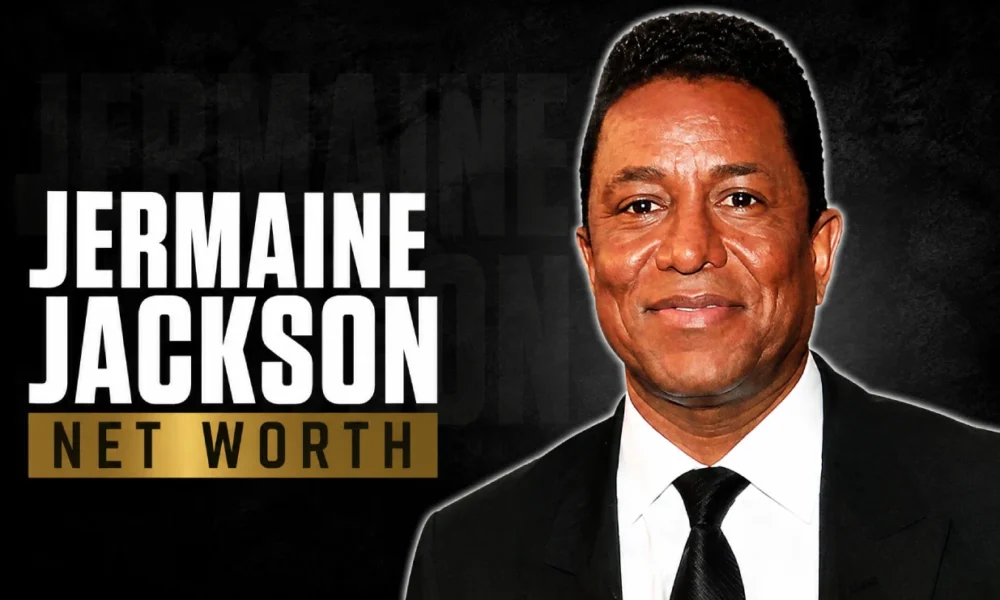
Jermaine Jackson’s net worth is estimated between $1.5 million and $5 million in 2026, depending on the source — a figure that surprises nearly everyone who learns that this founding member of The Jackson 5 has spent over five decades in the music industry.
Table Of Content
- At a Glance
- Who Is Jermaine Jackson?
- Net Worth in 2026
- The Motown Contract Trap: Why the Jackson 5 Didn’t Get Rich
- Jermaine’s Solo Career: Albums, Chart Hits, and Earnings
- Music Royalties and Streaming Income Today
- The Michael Jackson Estate: Jermaine’s Ongoing Financial Lifeline
- Television, Media Appearances, and Other Income
- Recent Developments: The Jackson Museum (2025)
- Tax Troubles and Financial Challenges
- Jermaine Jackson Net Worth vs. Other Jackson Family Members
- Updated Career Timeline
- What Jermaine Jackson’s Financial Story Teaches Us
- Conclusion
That number tells a complicated story. It reflects exploitative Motown contracts that paid artists a mere 2.7% royalty rate while the label retained ownership of their masters, decades of family financial obligations spanning seven children and multiple relationships, IRS tax liens, and a solo career that produced genuine chart hits but never matched the commercial heights reached by his brother Michael or sister Janet.
This article breaks down exactly how Jermaine earned his money, where it went, and what his financial journey reveals about the real economics of fame.
At a Glance
| Detail | Information |
|---|---|
| Full Name | Jermaine La Jaune Jackson |
| Born | December 11, 1954, Gary, Indiana |
| Career Start | 1964 (with The Jackson Brothers) |
| Group | The Jackson 5 / The Jacksons |
| Solo Studio Albums | 14 |
| Biggest Solo Hit | “Let’s Get Serious” (1980) — #1 R&B, #57 Hot 100 |
| Labels | Motown, Arista, LaFace |
| Children | 7 (from multiple relationships) |
| Estimated Net Worth (2026) | $1.5M – $5M (varies by source) |
| Current Income | Royalties + $12,000/month estate stipend |
Who Is Jermaine Jackson?
Jermaine Jackson is a singer, songwriter, producer, and founding member of The Jackson 5 — one of the best-selling music groups of all time with over 150 million records sold worldwide. Born in Gary, Indiana, in 1954, he was the group’s original lead vocalist and bass player before his younger brother Michael assumed the spotlight. He later built a solo career with hits like “Let’s Get Serious,” “Do What You Do,” and “Dynamite,” and became a television personality through appearances on shows like Celebrity Big Brother UK and Celebrity Wife Swap.
Net Worth in 2026
Estimates of Jermaine Jackson’s net worth vary significantly depending on the source. Celebrity Net Worth has been cited at figures ranging from $500,000 to $5 million across different publications over the years. As of the most recent reporting, the most commonly cited figure is approximately $1.5 million, though some sources place it as high as $5 million.
This range itself is telling. Unlike publicly traded companies or salaried executives, celebrity net worth figures for musicians like Jermaine are estimates based on observable assets, known income streams, reported debts, and industry patterns — not verified financial disclosures.
What is clear is that his net worth is dramatically lower than what one might expect from someone with his career longevity. The reasons are layered and worth understanding in detail.
The Motown Contract Trap: Why the Jackson 5 Didn’t Get Rich
Understanding Jermaine Jackson’s financial story requires understanding the single most important factor in it: the contract his family signed with Motown Records.
The Jackson 5 signed with Motown Records in 1969 after being discovered through a combination of talent show victories and connections — including support from Gladys Knight, who sent an early demo tape to the label. What followed was one of the most commercially successful runs in pop music history. The group became the first act to debut with four consecutive number-one hits on the Billboard Hot 100: “I Want You Back,” “ABC,” “The Love You Save,” and “I’ll Be There.”
But behind the chart dominance, the financial structure was devastating for the artists.
How Motown Exploited Its Artists
Detailed reporting on Motown’s contractual practices revealed a royalty structure designed to extract maximum value from artists while returning minimal compensation:
- Royalty rate: Artists received just 2.7% of record sales — a figure that, once divided among group members, amounted to “small change”
- Weekly salary for minors: Because the Jackson 5 were minors when they signed, Motown kept their royalty earnings and instead paid them a small weekly salary — reportedly between $10 and $20 during much of the 1960s
- All expenses charged to artists: Artists were responsible for recording costs, dance classes, protocol classes, and all production expenses — even for songs that were never released
- Unreleased recordings billed: During the Jackson 5’s six years at Motown, only 174 of the 469 songs they recorded were ever released. When the group tried to leave for Epic Records, Motown presented them with a bill for all 469 recordings
- Name ownership: Motown owned the name “The Jackson 5.” When the brothers left for Epic Records in 1976, they had to rebrand as “The Jacksons”
- Publishing lock-in: Songwriters were required to join Berry Gordy’s publishing company, Jobete, surrendering control of their compositions
As one analysis of the family’s financial history described it: “The ‘Motown Machine’ was designed to keep the artists in a cycle of debt.” Joe Jackson, the family patriarch, was criticized for his intensity — but he was one of the few people who recognized this dynamic early. When the Jackson 5 finally left for Epic Records, it was not just about a higher royalty percentage. It was about getting an outside accounting firm to examine where the money was actually going.
The Financial Impact on Jermaine Specifically
Jermaine’s situation was uniquely complicated. While his brothers Jackie, Tito, Marlon, and Michael left Motown for Epic Records in 1976, Jermaine chose to stay at Motown — partly because he had married Hazel Gordy, the daughter of Motown founder Berry Gordy. This decision meant he was separated from his brothers’ earning potential with The Jacksons while remaining locked into Motown’s less favorable contract terms.
He began his solo career at Motown in 1972, and while he achieved genuine success — his self-titled debut album hit number one on the R&B charts — the royalty structures at Motown meant that chart success did not automatically translate to personal wealth.
Jermaine’s Solo Career: Albums, Chart Hits, and Earnings
Over the course of his solo career, Jermaine released 14 studio albums across multiple labels, primarily Motown and later Arista Records. Key milestones include:
Major Solo Albums
| Album | Year | Label | Billboard 200 | R&B Chart | Certification |
|---|---|---|---|---|---|
| Jermaine | 1972 | Motown | — | #1 | — |
| Let’s Get Serious | 1980 | Motown | #6 | #1 | Gold |
| Jermaine Jackson / Dynamite | 1984 | Arista | #19 | #1 | Gold (900,000+ US sales) |
| Precious Moments | 1986 | Arista | — | Top 20 | — |
| Don’t Take It Personal | 1989 | Arista | — | Top 30 | — |
| You Said | 1991 | LaFace | — | — | — |
Key Solo Singles
| Single | Year | US Hot 100 | R&B Chart | Notable Achievements |
|---|---|---|---|---|
| “Daddy’s Home” | 1972 | #9 | #3 | First major solo hit |
| “Let’s Get Serious” | 1980 | #9 | #1 | Grammy nominated |
| “Dynamite” | 1984 | #15 | Top 10 | Fourth top-20 solo single |
| “Do What You Do” | 1984 | Top 20 | Top 10 | #1 Belgium, top 10 UK/Ireland/Netherlands, Silver BPI certification |
| “When the Rain Begins to Fall” (with Pia Zadora) | 1984 | #54 | — | #1 in France, Belgium, Netherlands; Gold in Germany, Platinum in France |
| “I Think It’s Love” | 1986 | — | Top 20 | — |
| “Don’t Take It Personal” | 1989 | — | #1 | Second #1 R&B single |
| “If You Say My Eyes Are Beautiful” (with Whitney Houston) | 1980s | — | Top 20 | Duets album track |
The Arista Records album Jermaine Jackson (internationally titled Dynamite) was particularly significant. It became his second-most successful US album, certified Gold after surpassing 900,000 in domestic sales. The single “When the Rain Begins to Fall,” a duet with Pia Zadora, became a massive international hit — topping charts across Europe and earning Platinum certification in France and Gold in Germany, even though it performed modestly in the US.
Music Royalties and Streaming Income Today
Jermaine Jackson continues to earn royalties from his extensive catalog. Every time Jackson 5 recordings or his solo tracks are streamed on Spotify, Apple Music, or YouTube, played on radio, or licensed for film, television, or advertising, royalty payments are generated.
The economics of music royalties have shifted dramatically since Jermaine’s peak earning years:
| Era | Royalty Rate (Approx.) | How Artists Earned |
|---|---|---|
| Motown Era (1960s–70s) | 2.7% of sales | Label retained most revenue; artists received minimal per-unit payments |
| Major Label Era (1980s–90s) | 10–15% of sales | Better rates, but labels deducted costs for production, promotion, and distribution |
| Streaming Era (2010s–present) | Per-stream payments ($0.003–$0.005 per stream) | Volume-based; catalogs with consistent plays generate steady passive income |
For legacy artists like Jermaine, streaming has actually been beneficial in one respect: it has extended the earning life of recordings that might otherwise have stopped generating meaningful income. The Jackson 5’s catalog is among the most-streamed legacy catalogs in R&B and pop, which means Jermaine receives a share of those royalties — though the exact amount depends on the specific royalty agreements in place for each recording.
It is worth noting that Motown’s retention of master recordings means the label (now owned by Universal Music Group) holds the most valuable rights to the Jackson 5’s classic recordings. The artist’s share is significantly smaller than the label’s share.
The Michael Jackson Estate: Jermaine’s Ongoing Financial Lifeline
One of the most significant — and least discussed — aspects of Jermaine Jackson’s current financial situation is the monthly stipend he receives from the Michael Jackson estate.
When Michael Jackson died in 2009, he left behind a complex estate that has since generated over $2.9 billion in revenue. Michael’s mother, Katherine Jackson, was named as a beneficiary and received a monthly stipend from the estate. That stipend has been distributed among family members, including Jermaine.
According to reports, Jermaine Jackson receives approximately $12,000 per month from Katherine Jackson’s estate stipend. This amounts to roughly $144,000 per year — a meaningful income supplement that likely represents a substantial portion of his current annual earnings.
For context, other Jackson siblings also receive monthly distributions:
- La Toya Jackson: ~$30,000/month
- Rebbie Jackson: ~$7,000/month
This estate support system has become a financial safety net for multiple Jackson family members whose individual careers did not generate sufficient long-term wealth.
Television, Media Appearances, and Other Income
Beyond music, Jermaine has earned income through various television and media appearances over the decades:
| Appearance | Year | Type |
|---|---|---|
| “As The World Turns” (with Whitney Houston) | 1984 | Acting/Musical performance — performed duet “Nobody Loves Me Like You Do” |
| “The Facts of Life” | 1980s | Acting appearance |
| Celebrity Big Brother UK | 2007 | Reality TV — finished as runner-up |
| Gone Country | 2008 | Reality TV |
| Celebrity Wife Swap | 2010s | Reality TV |
These appearances typically generate one-time appearance fees rather than ongoing income. For UK Celebrity Big Brother in 2007, reality TV appearance fees for celebrity contestants of Jermaine’s profile were reported to be in the range of six figures, though his specific fee was not publicly confirmed.
He also published a memoir in 2011, You Are Not Alone: Michael Through a Brother’s Eyes, which provided an advance and ongoing royalties from book sales.
Recent Developments: The Jackson Museum (2025)
In late 2025, Jermaine Jackson announced plans to establish a Jackson Museum dedicated to celebrating the artistic legacy of his brother Michael Jackson and the wider Jackson family. While specific financial details of this venture — including funding sources, location, and projected revenue — have not been publicly disclosed, the project represents a potential new income stream if it generates ticket sales, merchandise revenue, and licensing deals.
Whether this museum becomes a viable financial asset or remains a passion project will depend on execution, location, and sustained public interest in the Jackson family legacy.
Tax Troubles and Financial Challenges
Jermaine Jackson has faced publicly reported financial difficulties related to tax obligations. Over the years, the IRS has filed tax liens against him, with cumulative reported amounts in the millions.
Tax debt is particularly destructive to long-term wealth because:
- It compounds: IRS penalties and interest accumulate at rates that often exceed consumer debt
- It limits financial flexibility: Outstanding tax obligations can result in wage garnishment, asset seizure, and restricted access to credit
- It cannot be discharged in bankruptcy: Unlike many other forms of debt, tax liabilities generally survive bankruptcy proceedings
For celebrities whose income fluctuates significantly year to year — common in the music industry where album cycles, touring schedules, and royalty payments create uneven cash flow — tax planning failures can be especially damaging.
Jermaine Jackson Net Worth vs. Other Jackson Family Members
The Jackson family’s net worth varies enormously from one sibling to another, and understanding why is key to understanding Jermaine’s position.
| Family Member | Estimated Net Worth | Primary Income Source | Key Factor |
|---|---|---|---|
| Janet Jackson | $190 million | Music, touring, endorsements | $80M Virgin Records deal (1996); 185M+ records sold; retained master ownership |
| Katherine Jackson | $100 million | Michael Jackson estate stipend | Primary beneficiary of estate; $67,000+/month stipend |
| Michael Jackson’s Estate | $111 million (tax court valuation) | Posthumous licensing, catalog, brand | Generated $2.9B+ since 2009 death; $825M in 2018 alone |
| Jermaine Jackson | $1.5M – $5M | Royalties, estate stipend, appearances | Motown contract limitations; tax debt; family obligations |
| La Toya Jackson | $1M – $4M | TV, modeling, estate stipend | Mid-1990s bankruptcy; Moulin Rouge contract dispute |
| Rebbie Jackson | $2.5 million | Solo music career, estate stipend | Low-profile career; steady family support |
| Tito Jackson | $2 million | Music, touring with The Jacksons | Continued performing but limited solo commercial success |
| Jackie Jackson | $200K – $250K | Music, record label (Critically Amused) | Limited solo commercial success |
| Marlon Jackson | $500,000 | Music, real estate, Study Peace Foundation | Diversified but modest income streams |
Why the Disparities Exist
The gap between Janet ($190M) and the other Jackson siblings is primarily explained by three factors:
- Contract timing: Janet’s career peaked in the late 1980s and 1990s, when artist contracts were significantly more favorable than the Motown-era deals her older siblings signed
- Master ownership: Janet retained greater control over her recordings, particularly her landmark albums Control (1986) and Janet (1993)
- Business diversification: Janet’s $80 million Virgin Records deal in 1996 was one of the largest in music history at the time, and she diversified into acting and endorsements
Jermaine, by contrast, spent his formative career years at Motown under the terms described above, and his move to Arista in 1984 — while commercially successful — came at a point when his peak earning window was already narrowing.
Updated Career Timeline
| Year | Milestone |
|---|---|
| 1954 | Born December 11 in Gary, Indiana |
| 1964 | Joe Jackson forms The Jackson Brothers with Tito, Jermaine, and Jackie |
| 1966 | Group wins first talent show at Theodore Roosevelt High School |
| 1967 | Group wins Apollo Theater competition; signs with Steeltown Records |
| 1969 | Signs with Motown Records; releases “I Want You Back” — first of four consecutive #1 hits |
| 1972 | Begins solo career at Motown; self-titled debut album hits #1 R&B |
| 1976 | Brothers leave Motown for Epic Records; Jermaine stays at Motown (marries Hazel Gordy) |
| 1980 | “Let’s Get Serious” reaches #1 R&B, #9 Hot 100; album earns Gold certification |
| 1983 | Reunites with The Jacksons for Motown 25 television special |
| 1984 | Signs with Arista Records; releases Dynamite/Jermaine Jackson — Gold album, #1 R&B |
| 1984 | “Do What You Do” becomes an international hit; “When the Rain Begins to Fall” tops European charts |
| 1984 | Performs duet with Whitney Houston on “As The World Turns” |
| 1984 | Performs on Victory Tour with The Jacksons |
| 1989 | “Don’t Take It Personal” reaches #1 R&B |
| 1997 | Jackson 5 inducted into Rock and Roll Hall of Fame |
| 2007 | Appears on Celebrity Big Brother UK — finishes as runner-up |
| 2011 | Publishes memoir You Are Not Alone: Michael Through a Brother’s Eyes |
| 2012 | Joins The Jacksons Unity Tour with brothers |
| 2025 | Announces plans for Jackson Museum celebrating family legacy |
| 2026 | Continues earning from legacy music catalog and estate stipend |
What Jermaine Jackson’s Financial Story Teaches Us
Early Contracts Can Define Your Entire Financial Future
The Motown contract the Jackson 5 signed as teenagers shaped the financial trajectory of every member for the rest of their lives. At a 2.7% royalty rate — with expenses deducted and unreleased recordings billed — the group generated hundreds of millions in revenue for Motown while accumulating minimal personal wealth. The lesson applies beyond music: the terms you agree to early in your career, when you have the least leverage, often have the longest consequences.
Tax Debt Destroys Wealth Faster Than Bad Investments
Unlike investment losses, which can potentially be recovered through market gains, tax debt compounds relentlessly. IRS penalties and interest can turn a manageable tax bill into a multi-million-dollar obligation over time. For anyone with variable income — freelancers, entrepreneurs, artists — proactive tax planning is not optional. It is the single most important financial defense.
Royalties Are Only Valuable If You Own the Rights
Jermaine’s catalog continues to generate income, but the lion’s share of revenue from the Jackson 5’s Motown recordings goes to Universal Music Group, which now owns Motown’s catalog. Artists who own their masters — like Janet Jackson, who negotiated greater control in the 1990s — capture dramatically more value from the same recordings.
Family Financial Obligations Require Planning
With seven children from multiple relationships, Jermaine’s financial obligations extend far beyond his own lifestyle costs. This is not unique to celebrities — anyone supporting extended family needs to build financial structures that account for these commitments rather than treating them as afterthoughts.
Conclusion
Jermaine Jackson’s estimated net worth of $1.5 million to $5 million is not the story of someone who failed. It is the story of someone whose earnings were shaped by forces that were largely outside his control — a predatory record contract signed when he was a teenager, a music industry that historically extracted more value from artists than it returned, tax obligations that compounded over decades, and family responsibilities that demanded constant financial support.
What makes his story instructive is not the dollar amount but the pattern: the decisions made at the very start of a career — who you sign with, what terms you accept, who owns your work — echo for the rest of your life. The Jackson 5’s 2.7% Motown royalty rate is the single biggest factor in why five of the most famous musicians of the 20th century are not wealthier today.
For anyone building their own financial future, Jermaine Jackson’s career is a reminder that income is not wealth, contracts matter more than talent, and the time to negotiate your financial terms is before you sign — not after you become successful.

No Comment! Be the first one.